
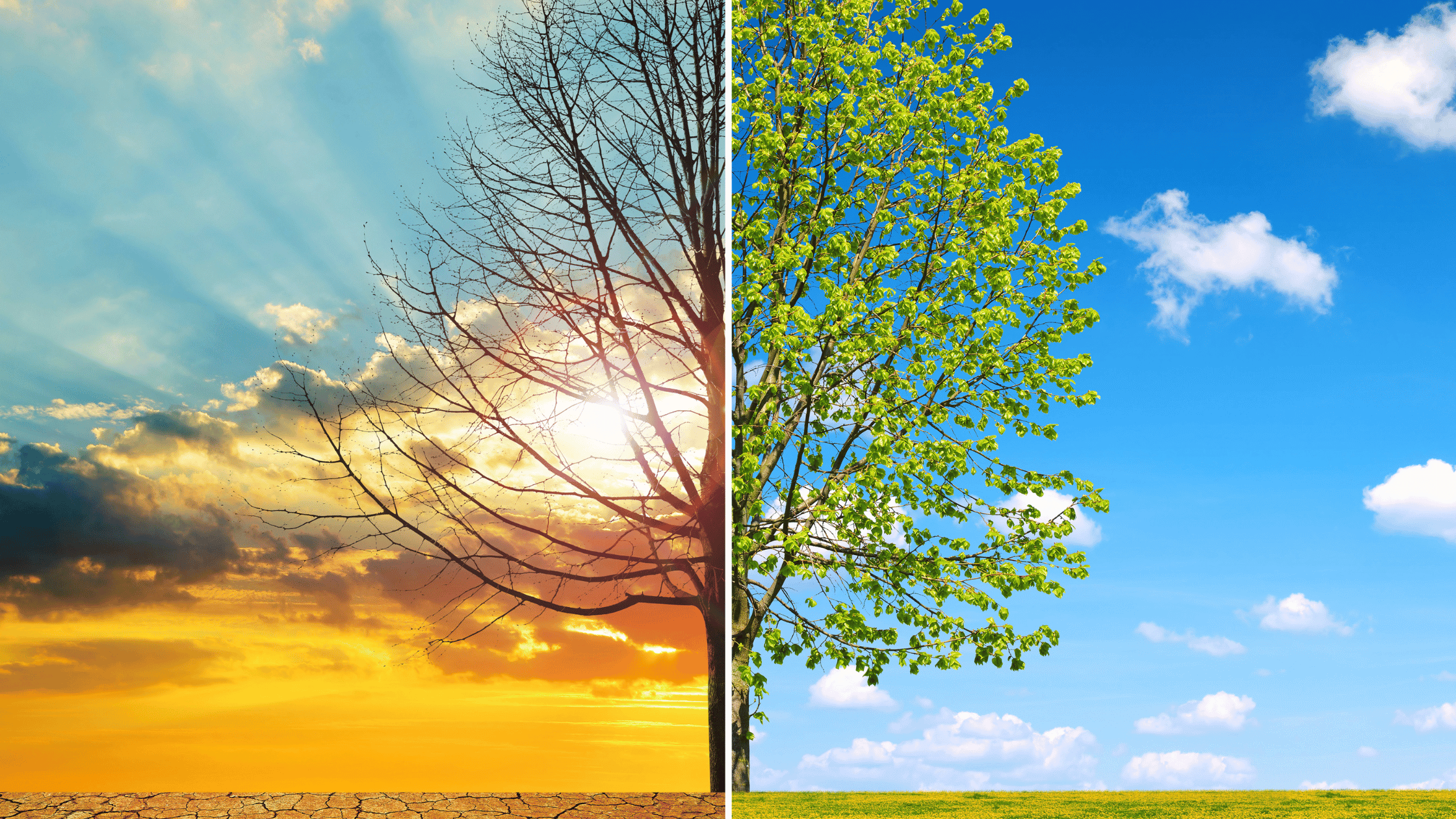
Global warming is no longer a distant threat—it is a present and pressing reality. Average global temperatures are rising, sea levels are creeping higher, and extreme weather events are becoming more frequent and intense. While mitigating greenhouse gas emissions remains critical, there is a growing recognition that adaptation is equally essential. Communities, governments, and individuals must now prepare for the inevitable impacts of a warming planet.
Adapting to a warming world means building resilience into every layer of society—our homes, infrastructure, economies, food systems, and daily lives. This article explores why adaptation is necessary, the challenges we face, and the practical strategies that can help us navigate climate change more safely and sustainably.
Understanding the Urgency: Why Adaptation Matters
While climate mitigation—reducing carbon emissions—is crucial for slowing the pace of global warming, adaptation addresses the reality that many changes are already locked in. Even if we were to stop all emissions today, the effects of past emissions would continue for decades due to the long lifespan of greenhouse gases in the atmosphere.
Adaptation is not a luxury; it is a necessity. Without it, societies will face greater loss of life, economic disruption, displacement, and ecological damage.
Key climate impacts that require adaptation:
- More frequent and intense heatwaves
- Rising sea levels threatening coastal communities
- Increased droughts and water scarcity
- Shifts in growing seasons and crop viability
- Flooding and stronger storms damaging infrastructure
By planning and adapting now, we reduce future risks and build more climate-resilient communities.
1. Building Resilient Infrastructure
Our cities and communities were largely designed for a climate that no longer exists. Roads, buildings, and power systems must now be rethought to withstand more extreme conditions.
Strategies include:
- Green infrastructure: Parks, wetlands, and green roofs reduce flooding, cool urban areas, and improve air quality.
- Climate-resilient buildings: Designing homes with materials that can endure extreme heat, storms, or rising water levels.
- Coastal barriers and levees: Defending coastal areas from sea level rise and storm surges.
- Floodproofing critical services: Elevating power stations, water plants, and hospitals above potential flood levels.
Investing in adaptive infrastructure today reduces the cost of rebuilding tomorrow.
2. Adapting Agriculture and Food Systems
Climate change is already altering rainfall patterns, growing seasons, and pest behavior. In some regions, traditional crops may no longer be viable, threatening food security.
Solutions for sustainable adaptation in agriculture:
- Crop diversification: Reducing reliance on single crops by planting more climate-resilient varieties.
- Drought-tolerant seeds: Investing in plant research and technology to withstand erratic rainfall and heat.
- Water-efficient farming: Using drip irrigation, rainwater harvesting, and soil moisture monitoring to conserve water.
- Urban agriculture: Growing food closer to where it’s consumed to reduce dependency on distant supply chains.
Supporting farmers through education, subsidies, and climate-smart practices is key to ensuring future food security.
3. Managing Water Resources
As glaciers melt, rainfall becomes unpredictable, and droughts intensify, freshwater access is becoming a critical concern for billions of people.
Adaptive water strategies include:
- Rainwater harvesting: Collecting and storing rain for irrigation and domestic use.
- Water recycling and reuse: Treating wastewater for reuse in agriculture or industry.
- Smart irrigation systems: Using technology to reduce waste and target watering based on real-time data.
- Watershed restoration: Replanting forests and protecting natural water sources to improve filtration and reduce erosion.
Communities must treat water as a shared, precious resource and invest in managing it wisely.
4. Rethinking Urban Planning
Cities are especially vulnerable to climate change due to dense populations and heat-retaining surfaces like asphalt and concrete. Urban adaptation involves redesigning cities to be cooler, safer, and more equitable.
Urban adaptation strategies:
- Cool roofs and pavements: Reflective materials that reduce heat absorption.
- Tree planting and urban forests: Provide shade, absorb CO₂, and lower temperatures.
- Mixed-use zoning: Reduces reliance on transportation and builds self-sufficient neighborhoods.
- Emergency preparedness plans: Ensuring cities can respond quickly to heatwaves, floods, and other climate disasters.
Equity must be at the heart of urban planning to ensure all residents—especially vulnerable populations—benefit from adaptation efforts.
5. Strengthening Health Systems
Climate change poses serious health threats, from heat stress and respiratory issues to the spread of vector-borne diseases like malaria and dengue.
Health-focused adaptation measures:
- Early warning systems for heatwaves and disease outbreaks.
- Cooling centers for vulnerable populations during extreme heat.
- Training healthcare workers on climate-related health risks.
- Improving air quality through transportation and energy reform.
- Mental health support for communities affected by climate-related disasters.
Public health must be integrated into climate policy, with a focus on prevention, preparedness, and resilience.
6. Supporting Community-Based Adaptation
No two regions are affected by climate change in exactly the same way. Community-led solutions are often the most effective because they draw on local knowledge and are tailored to specific needs.
Examples of community adaptation:
- Indigenous water conservation methods revived to manage drought
- Local co-ops developing shared solar energy projects
- Youth-led climate education campaigns empowering future leaders
- Participatory planning where residents co-design flood defenses or emergency plans
Empowering communities to lead their own adaptation builds trust, ownership, and long-term sustainability.
7. Investing in Education and Awareness
Adaptation doesn’t happen in a vacuum—it requires public awareness, education, and participation. People need to understand what’s happening, how it affects them, and what they can do.
Key actions:
- Incorporating climate education into school curricula
- Public information campaigns about emergency preparedness and sustainable living
- Workshops and training for farmers, workers, and city planners
- Media coverage focused on solutions, not just disaster headlines
When people are informed, they’re more likely to support policies and adopt behaviors that build resilience.
Conclusion: Living Smarter in a Warming World
The climate crisis is no longer a future problem—it’s a present-day challenge. While mitigation efforts must continue, adaptation is how we survive and thrive in the face of inevitable change. It requires innovation, investment, and above all, collective will.
From climate-resilient infrastructure and smarter cities to sustainable farming and empowered communities, adaptation is already underway in many parts of the world. But much more needs to be done—and urgently.
We cannot reverse the warming that has already occurred, but we can choose how we respond. A safer, more adaptable, and more equitable future is within reach—if we act decisively, inclusively, and together.