
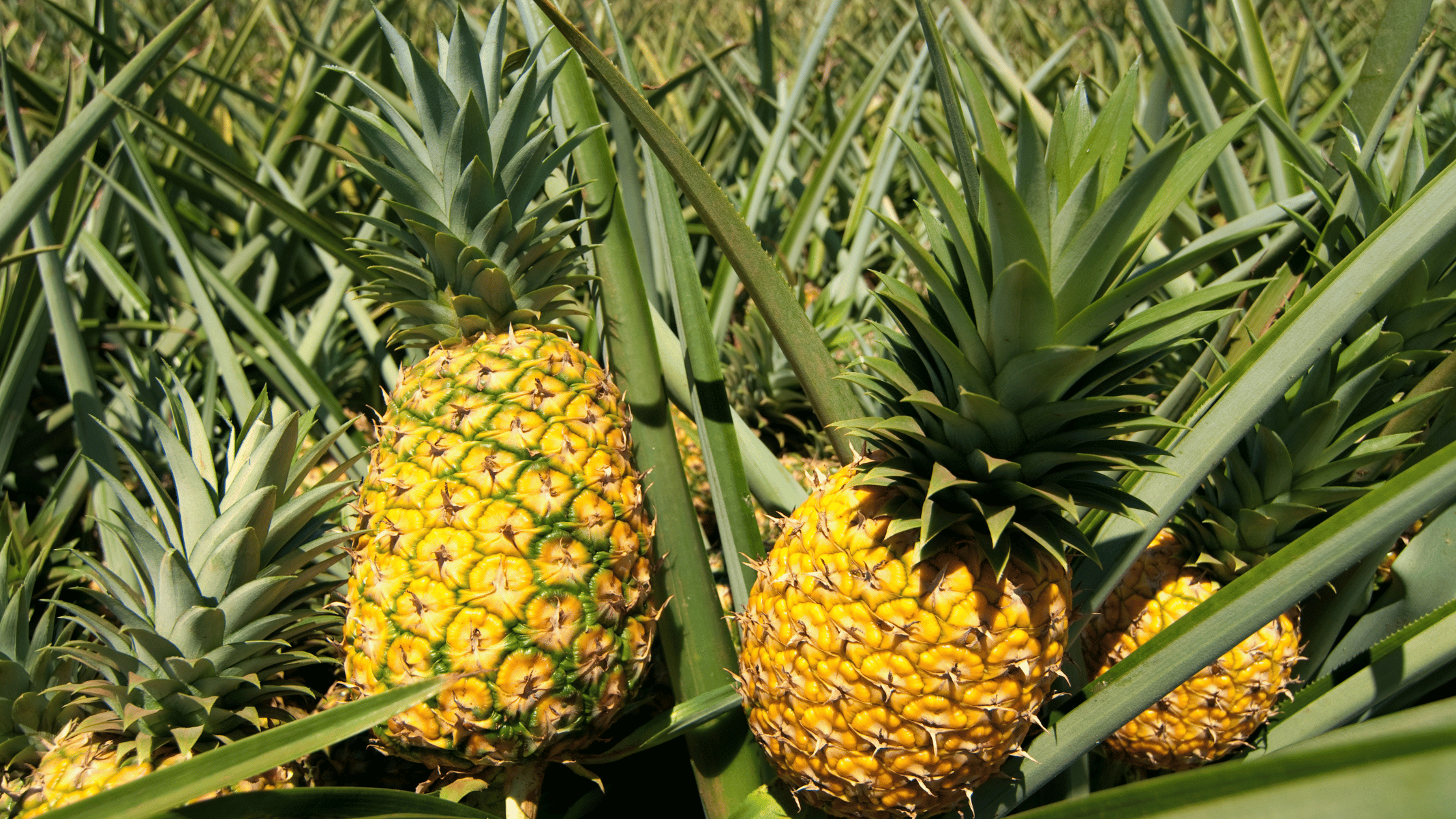
When most people think of pineapples, they picture tropical vacations, fruity drinks, or canned slices on grocery store shelves. But did you know that this iconic fruit can also be grown right at home, even without a tropical climate?
Pineapples are not only delicious and refreshing—they’re also one of the easiest tropical fruits to grow in containers or garden beds with a bit of patience and care. Whether you’re a home gardener, a sustainability enthusiast, or simply someone looking to reconnect with your food, growing pineapples at home comes with surprising benefits—for your health, your home, and even the environment.
In this article, we’ll explore the many advantages of cultivating your own pineapple plants and how this simple act can turn into a rewarding and long-lasting habit.
1. Pineapples Are Easy to Grow (Even for Beginners)
Many people are surprised to learn just how simple it is to grow a pineapple plant at home. Unlike some fruit trees that require constant pruning or complicated grafting, pineapples are low-maintenance and resilient.
All you need to get started is the leafy top of a store-bought pineapple (called the “crown”) and a bit of soil or water to root it in. With time, sunlight, and occasional watering, the crown will take root and eventually grow into a full plant that produces fruit.
Why they’re ideal for beginners:
- Tolerant of neglect and dry spells
- Can be grown in pots, containers, or directly in the ground
- Resistant to most pests and diseases
- No need for pollination (they grow from the base, not from seeds)
- Thrive in both warm outdoor climates and indoor settings with ample sunlight
Pineapples grow slowly—typically 18–24 months to produce fruit—but the process is straightforward, and the plant’s ornamental beauty makes it worth the wait.
2. Homegrown Pineapples Are Pesticide-Free and Healthier
One of the best benefits of growing any food at home is knowing exactly how it was grown—and pineapples are no exception. Store-bought pineapples often go through chemical treatments, synthetic fertilizers, and long-haul shipping that can degrade their nutritional value.
When you grow pineapples at home, you can ensure they’re:
- Free of pesticides and harmful chemicals
- Grown with organic soil and natural compost
- Harvested at peak ripeness for the best flavor and nutrition
Nutritional highlights of pineapples:
- High in vitamin C, which supports immunity
- Contains bromelain, a natural enzyme with anti-inflammatory benefits
- A good source of antioxidants, manganese, and fiber
Enjoying a pineapple straight from your own plant means you’re getting the freshest, most nutrient-rich version of the fruit possible.
3. Pineapples Add Tropical Beauty to Your Space
Even before they bear fruit, pineapple plants are a beautiful addition to any garden or home. With their thick, spiky leaves and symmetrical form, they serve as natural decor for patios, balconies, and sunny windowsills.
They bring a tropical aesthetic to your space without the need for flowers or exotic landscaping. In warm climates, they can be used in borders or edible landscapes. Indoors, they serve as striking potted plants with an architectural flair.
Bonus: The fruit itself grows like a crown atop the plant, making for a stunning visual payoff once it begins to develop.
4. Reduces Food Waste by Using Kitchen Scraps
Growing pineapples is one of the most creative ways to reuse food scraps that would otherwise be tossed away. The leafy crown of a store-bought pineapple is usually discarded—but that very crown can be rooted and grown into a brand-new plant.
This small step contributes to:
- Reducing kitchen waste
- Extending the lifecycle of the produce you purchase
- Encouraging a circular, zero-waste mindset in your household
When you treat food as a growing opportunity rather than a one-time product, you foster a deeper respect for the earth and your own consumption habits.
5. A Fun and Educational Family Project
If you’re looking for a hands-on way to teach kids about plant growth, responsibility, and sustainable living, growing pineapples is a perfect project.
Children can help with:
- Preparing the pineapple crown for planting
- Monitoring root development in water
- Transferring the plant to soil
- Watering and observing growth over time
It’s a low-risk, high-reward learning experience that builds patience, curiosity, and appreciation for how food grows. And when the fruit finally arrives, it’s a delicious reward the whole family can enjoy.
6. Saves Money in the Long Run
Pineapples can be pricey—especially organic or imported varieties. While it takes time for a pineapple plant to fruit, the long-term benefit is that it can produce multiple fruit cycles over several years. Even better, the plant produces “pups” or suckers—small offshoots that can be separated and replanted to start new pineapple plants.
With minimal investment (just one pineapple), you can eventually cultivate a self-sustaining crop that provides fruit year after year.
Compare that to buying fresh pineapples every week, and you’ll start to see the cost savings—and the environmental savings from reduced packaging and transportation.
7. Supports Sustainability and Local Food Culture
Growing pineapples at home is not just good for your health and wallet—it’s also good for the planet. By growing your own fruit, you’re contributing to a more sustainable food system in the following ways:
- Reducing the carbon footprint of shipping tropical fruit across oceans
- Minimizing packaging waste from store-bought produce
- Encouraging local, homegrown food production
- Supporting soil health and biodiversity (especially if grown organically)
It’s a small but powerful way to take action against industrial agriculture’s environmental impact, and to live more in tune with seasonal, sustainable eating.
8. Offers a Unique Sense of Satisfaction and Pride
There’s something incredibly rewarding about planting something, watching it grow, and eventually harvesting it with your own hands. Pineapples, in particular, are special because they require patience—but when the fruit finally ripens, it feels like a true achievement.
Whether you grow it on a balcony, in a backyard, or on a sunny windowsill, harvesting your own pineapple:
- Builds confidence in your gardening skills
- Creates a tangible connection to your food
- Reminds you of the value of patience and nurturing care
In a world that’s increasingly fast-paced, growing your own pineapple is a slow and satisfying reminder that good things take time.
Conclusion: Grow a Pineapple, Grow More Than a Fruit
Growing pineapples at home may seem like a novelty, but it’s much more than that. From saving money and reducing waste to beautifying your space and improving your diet, the benefits of cultivating this tropical fruit are surprisingly far-reaching.
Whether you’re motivated by sustainability, curiosity, or a desire for fresh, healthy food, a pineapple plant is a wonderful place to start. It’s a symbol of patience, abundance, and connection—with nature, with your family, and with the food you eat.